
Afra Naowar AraGeneral
While Defeating Diseases Did We Forget to Protect the Cure?
khanamnaowar@gmail.com 01901883190
How antimicrobial resistance is quietly threatening the foundation of modern healthcare?
For most of human history, infections were among the greatest threats to survival. A small wound, a common illness, or a bacterial infection could become life threatening because medicine had limited ways to fight back. Then antibiotics changed everything. They transformed infections from deadly threats into treatable conditions and became one of the greatest achievements in modern medicine. But after decades of relying on these medicines, an uncomfortable question has emerged: did we become so confident in antibiotics that we forgot how fragile their effectiveness really was?
When Alexander Fleming discovered penicillin in 1928, he changed the course of healthcare forever. Diseases that once killed millions became manageable. Surgeries became safer. Treatments such as chemotherapy, organ transplantation, and intensive care became possible because doctors had a reliable way to prevent and treat dangerous bacterial infections. Antibiotics did not just save individual lives; they expanded the boundaries of what medicine could achieve.
However, antibiotics were never an unlimited victory over bacteria. They were always part of an ongoing battle. Even Fleming himself warned in his 1945 Nobel Prize lecture that careless use of antibiotics could eventually allow bacteria to develop resistance. What once sounded like a distant possibility has now become a measurable global health problem.
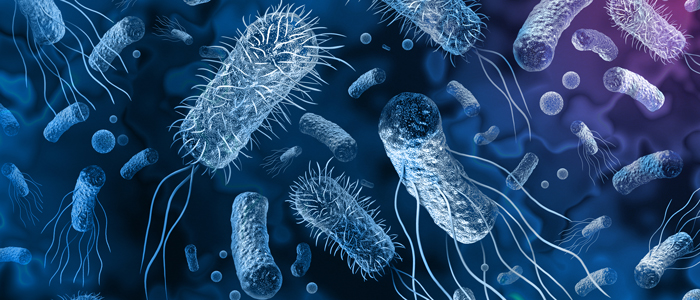
Antimicrobial resistance, commonly known as AMR, occurs when microorganisms such as bacteria evolve and no longer respond effectively to medicines designed to destroy them. Resistance itself is a natural process because bacteria adapt over time. The problem is that human actions have accelerated this process. Unnecessary antibiotic prescriptions, self medication, incomplete treatments, and inappropriate use of antibiotics in agriculture have created more opportunities for resistant bacteria to survive and spread.
The scale of this problem is already visible in global health data. In 2021 alone, antimicrobial resistance was associated with 4.71 million deaths worldwide. Among these, 1.14 million deaths were directly caused by bacterial infections that available antibiotics could no longer effectively treat. These numbers are not future predictions. They represent people who have already lost their lives because medicines that once worked became less reliable.
The problem is also appearing in infections that people encounter every day. The World Health Organization reported that approximately 1 in every 6 laboratory confirmed bacterial infections worldwide was resistant to antibiotics in 2023. This means antimicrobial resistance is not limited to rare cases in specialized hospitals. It can affect ordinary situations such as urinary tract infections, wound infections, pneumonia, complications after surgery, or infections in patients whose immune systems are weakened by treatments like chemotherapy.
Modern healthcare quietly depends on antibiotics in ways many people do not realize. They are not only used to treat infections after they occur; they also help make major medical procedures safer. When antibiotics become less effective, the risks connected to surgeries, intensive care, and other treatments increase. The achievements of modern medicine are supported not only by advanced technology but also by the ability to control infections.
One of the reasons antimicrobial resistance is so difficult to confront is because it does not appear like a traditional global crisis. It does not arrive suddenly with a single event that forces immediate attention. Instead, it develops slowly through millions of small decisions. Every unnecessary antibiotic dose creates pressure on bacteria to adapt. Every misuse gives resistant organisms another chance to survive.
The future projections show why scientists are concerned. Research from the Global Research on Antimicrobial Resistance project estimates that if current trends continue, antimicrobial resistance could directly cause approximately 1.91 million deaths every year by 2050. In the same year, drug resistant infections could be associated with 8.22 million deaths annually. Looking at the period between 2025 and 2050, researchers estimate that nearly 39 million people could die directly because of antimicrobial resistance.
These figures are difficult to imagine because they are so large, but every number represents a person. It represents someone whose infection became impossible to control, a family that lost someone too soon, or a patient whose treatment became more complicated because the medicine available was no longer effective.
The consequences will not only be measured in hospitals. Antimicrobial resistance also creates a serious economic burden. Resistant infections often require longer hospital stays, stronger medications, and more healthcare resources. By 2035, antimicrobial resistance could create an additional $412 billion burden on global healthcare systems every year. At the same time, illness and premature deaths caused by resistant infections could lead to another $443 billion in productivity losses annually.
These costs represent more than financial damage. They reflect healthcare systems spending more resources treating infections that were once easier to manage, workers unable to return to their jobs, and families facing longer periods of illness and uncertainty.
The problem also extends beyond human medicine. Antibiotics are used in animal health and food production, and resistant bacteria can move between humans, animals, and the environment. This connection is why experts describe antimicrobial resistance as a “One Health” issue. Human health cannot be separated from the health of animals and the environment because bacteria do not follow borders.
Another challenge is that developing new antibiotics is not simple. Creating a new medicine requires years of research, testing, and investment. At the same time, antibiotics are used differently from many other medicines because they must be protected from unnecessary use to preserve their effectiveness. This makes antibiotic development scientifically difficult and financially challenging.
However, antimicrobial resistance is not a problem without solutions. The same evidence that shows the seriousness of the issue also points toward ways to reduce it. Responsible antibiotic use, better infection prevention, improved hygiene, vaccination programs, faster diagnostic testing, and stronger regulation of antibiotic use in agriculture can all help slow the spread of resistance.
Individuals also play a role. Antibiotics should only be taken when prescribed by healthcare professionals. Treatments should be completed properly, and medicines should never be shared or used without medical advice. These actions may seem small, but millions of responsible decisions can protect the effectiveness of antibiotics for future generations.
Humanity has already shown that it can overcome enormous medical challenges. The discovery of antibiotics proved that science can change the course of history. But discoveries are not protected by their existence alone. They are protected by how responsibly they are used.
The evidence is already clear. 4.71 million deaths associated with antimicrobial resistance in one year. 1.14 million deaths directly caused by resistant bacterial infections. 1 in 6 bacterial infections showing resistance. 39 million potential deaths between 2025 and 2050. Hundreds of billions of dollars in healthcare and economic losses.
The question is not whether antibiotics changed the world. They did.
The question is whether we will value and protect the discovery that gave us one of medicine’s greatest victories before we slowly lose its power.