
Ahmed Alom AnikGeneral
Chernobyl: The Disaster That Changed Nuclear History
mr3plaaa@gmail.com 01309944839
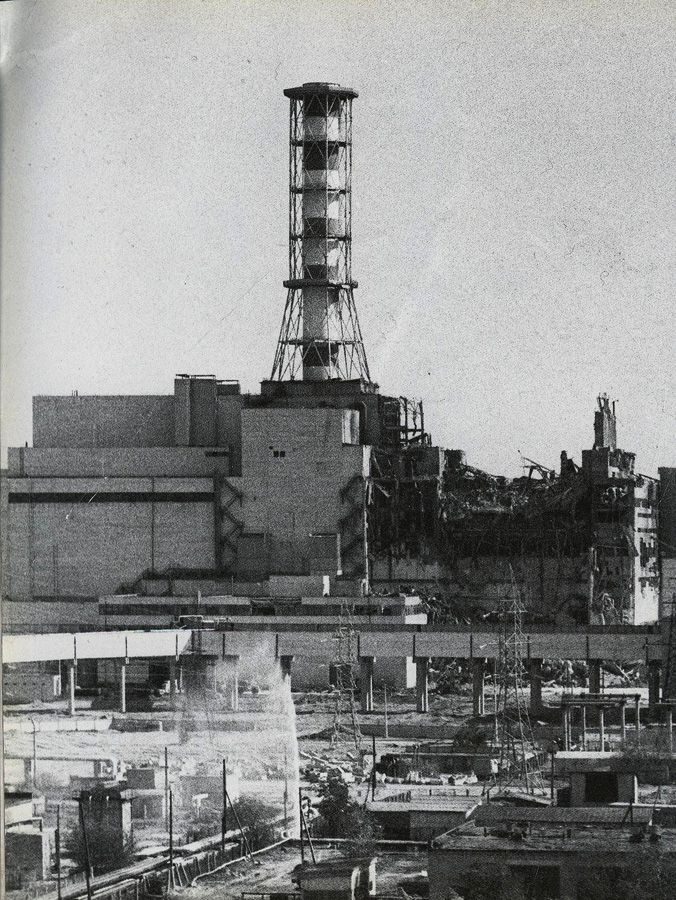
The Chernobyl disaster remains one of the most catastrophic nuclear accidents in human history. It occurred on April 26, 1986, at the Chernobyl Nuclear Power Plant, located near the city of Pripyat in northern Ukraine, then part of the Soviet Union. The disaster had far-reaching consequences, affecting millions of lives and reshaping global attitudes toward nuclear energy.
The accident occurred during a late-night safety test in Reactor No. 4. Engineers attempted to simulate a power outage to test the reactor's ability to maintain cooling systems. However, a combination of flawed reactor design and human error led to an uncontrollable reaction. The reactor core overheated, resulting in a massive explosion that released radioactive materials into the atmosphere.
In the immediate aftermath, confusion and lack of transparency worsened the situation. Local authorities initially failed to grasp the severity of the disaster, and residents of Pripyat were not evacuated until nearly 36 hours later. By then, many had already been exposed to dangerous levels of radiation. Firefighters and plant workers who responded first faced extreme conditions, often without proper protective equipment.
The environmental impact of the disaster was devastating. Radioactive particles spread across large parts of Europe, contaminating soil, water, and vegetation. A 30-kilometer exclusion zone was established around the plant, rendering entire towns uninhabitable. Wildlife and ecosystems in the region were severely affected, though some areas have since shown surprising signs of natural recovery.
The human cost was also significant. While the immediate death toll was relatively low, thousands of people later developed radiation-related illnesses, including cancer. The psychological impact, including stress and displacement, affected generations. The disaster highlighted the importance of nuclear safety and led to major reforms in reactor design and international safety standards.
Today, Chernobyl serves as a powerful reminder of the risks associated with nuclear energy when safety is compromised. The site is now covered by a massive containment structure known as the New Safe Confinement, designed to prevent further radiation leaks. Although the region remains largely abandoned, it continues to be studied by scientists and visited by tourists, symbolizing both tragedy and resilience.